Getting back into exercise after a long break
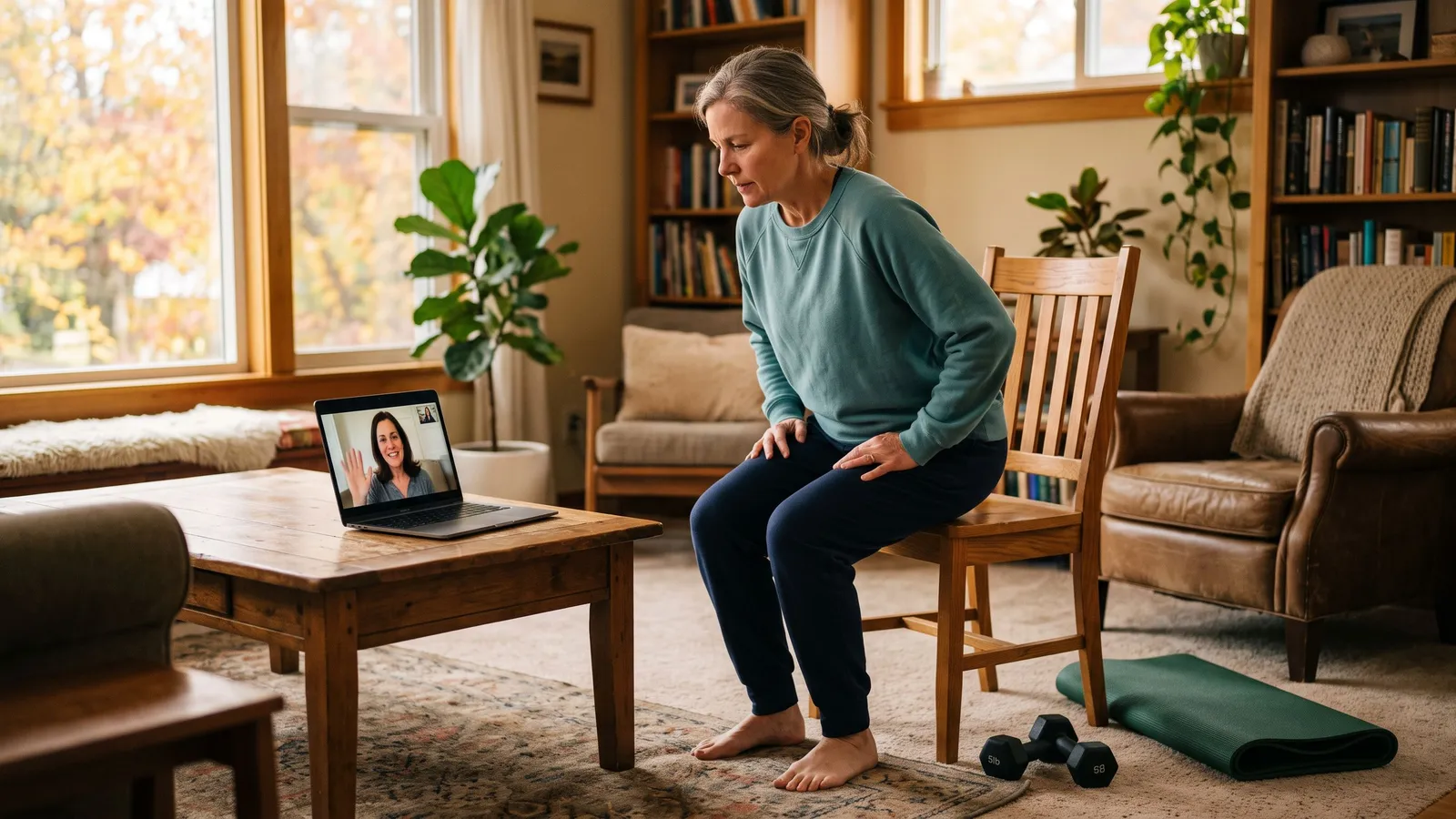
Getting back into exercise after a long break works best when you start well below what you think you can do. For the first two weeks, aim for short sessions that feel almost too easy, two or three times a week, then add a little each week for a month. The first month is about proving you can show up again without getting hurt or discouraged.
Maybe you stopped because of an illness, caregiving, a brutal year at work, or just life. The body is forgiving, and restarting is a skill you can learn.
Why the first two weeks should feel too easy
Most restarts fail in week one. People go back to the workout they did three years ago, feel wrecked for four days, and quietly decide they are not ready. A too-easy start avoids that trap.
- Joints adapt slower than motivation. Tendons and joints usually complain first.
- Soreness kills consistency. If every session leaves you limping, you will skip the next one.
- You are rebuilding a habit, not a body. In the first two weeks, the win is the appointment kept, not the weight lifted.
The good news is that small doses count. The federal Physical Activity Guidelines note that any amount of physical activity has some health benefits, and some, like better sleep and lower anxiety, show up right away.
A good rule: finish every session feeling you could have done one more round. If it has been many years, our page on training as a beginner shows what that looks like.
Next question: What happens in a first online personal training session?
A 4-week plan for getting back into exercise after a long break
You need a sturdy chair, a wall, and light dumbbells or water bottles. Train on non-consecutive days and walk in between if you like.
- Week 1: two sessions of 15 to 20 minutes. Five minutes of easy marching or walking, then one round of: sit-to-stand from a chair (8 reps), wall push-ups (8), glute bridges on the floor or bed (8), a slow step-up onto a low step (5 each leg), and a 20-second hold of a wall plank. Finish with gentle stretching.
- Week 2: two or three sessions, same moves. Do two rounds instead of one, same reps.
- Week 3: three sessions of 20 to 25 minutes. Go to 10 to 12 reps on moves that felt smooth, hold light weights for the sit-to-stand, and add a bent-over row. Add a 10-minute brisk walk on one or two off days.
- Week 4: three sessions plus walks. Try slightly harder versions where it feels right, such as push-ups on a kitchen counter instead of the wall. Walks can stretch to 20 minutes.
The CDC recommends that adults get 150 minutes of moderate-intensity activity a week and at least 2 days of muscle-strengthening activity. Week 4 covers the strength part. Treat the 150 minutes as a target for month two or three, not week one.
If a week goes badly, repeat it. Repeating is not failing.
Next question: How do you start strength training at home with a coach?
Normal soreness or real pain: how to tell
Some soreness is expected when you restart. A sports medicine physician interviewed by UHealth at the University of Miami explains that normal soreness can show up within 24 to 72 hours of exercise and should then progressively resolve over the next few days. It feels dull and achy, and it is spread through the muscle you worked.
The same source lists the signs that point to a problem instead. Stop and get checked if you notice:
- Pain that is sharp or severe rather than dull and achy.
- Pain in a joint or tendon rather than in the muscle.
- Visible swelling.
- Soreness that does not improve or keeps getting worse.
- Severe soreness with cramps, weakness or a change in the color of your urine, which needs medical care right away.
A simple test: normal soreness usually eases once you warm up. Pain that gets worse as you move means stop. If soreness stops you doing the next session, the dose was too high, so cut it back.
Next question: Can you train with achy knees without making them worse?
The "I used to be able to do this" feeling
You remember running a 10K or lifting your kids without thinking. Now wall push-ups leave you shaky, and it stings. A few things help:
- Change the comparison. Compare yourself to last week, not your best year. Log each session so you can see week 4 beat week 1.
- Name what changed. If you stopped for illness, caregiving or grief, you were doing hard things. That is not a character flaw.
- Pick new markers. Getting up from the floor without your hands or carrying groceries in one trip beats chasing an old record.
- Give familiar moves time. Movements you knew often feel familiar again sooner than you expect.
If frustration turns into skipping, make sessions smaller, not harder.
Next question: Can a complete beginner work with an online personal trainer?
Why an appointment with a person beats an app reminder
Fitness apps and AI chatbots are genuinely useful. They are cheap, always available, and can write a decent beginner plan in seconds. If you follow plans once they exist, that may be enough.
For most people coming back, the plan was never the problem; doing it was. An app reminder is easy to swipe away at 7:00 on a dark November morning. A real person who is expecting you at 7:00 is much harder to stand up.
A live coach also sees what an app cannot: your knee drifting in on the step-up, or a wince on a move you said felt fine. They change the exercise on the spot, remember your shoulder bothered you last Tuesday, and notice when you need an easier day. Those small adjustments keep a restart from becoming an injury.
Next question: Is a live online trainer as good as one in person?
Check with your doctor first if you have a condition
Most healthy adults can start a gentle routine like this one. Talk to your doctor before starting a new program if any of these apply:
- You have heart disease, high blood pressure, diabetes, or lung disease.
- You stopped exercising because of surgery, an injury, cancer treatment, or a serious illness.
- You are pregnant or recently gave birth.
- You have had chest pain, dizziness or fainting with effort.
- You have arthritis, osteoporosis or joint pain.
Bring the plan and ask: "Is there anything here I should avoid or change?" Then share those limits with whoever coaches you.
Next question: How do you exercise safely with arthritis?
Restarting before or after the holidays
It is tempting to wait for January 1, when restarts come with pressure and resolutions that fade by February. Starting in November means you finish the 4-week plan in early December with the habit in place before the holiday rush. Even one 20-minute session a week through December keeps the door open.
One practical note: if you have money left in a health FSA, many plans make you use it by the end of the plan year, although some employers allow a limited carryover or a grace period (the IRS explains the rules in Publication 969). Personal training can qualify when a licensed provider documents medical necessity for a diagnosed condition. See how it works on our HSA and FSA page.
Next question: How do you use FSA money for a personal trainer before it expires?
How HipTrain can help
HipTrain is live 1-on-1 personal training over video with a real certified coach, the same one every session, on your phone or laptop. Your coach starts where you are today, watches your form, adjusts every move, and expects you at your booked time. Sessions start from $14, we are rated 5 stars on Google, and your first session is free. Book your free trial session and restart with someone in your corner.
FAQ
How long does it take to get back in shape after a long break?
It depends on how long you stopped, why, and where you started, so nobody can honestly give you a date. Focus on consistency for the first month; energy and sleep often improve before strength does.
How many days a week should I work out when starting again?
Two short sessions a week is a good start, rising to three by week three or four, with rest or easy walking in between. The CDC recommends at least two days of muscle-strengthening activity a week for adults, so two strength sessions already meets that part.
Should I work out if I am still sore?
Mild, dull soreness is fine to move through with a lighter session or a walk. If it is sharp, in a joint, swollen, or getting worse, rest and check with a doctor.